
Electric Bike l Benefits of Electric Bikes
They are becoming increasingly popular as a greener and more sustainable alternative to traditional transportation methods. Electric bikes are similar to regular bikes in terms of their design, but they are equipped with a battery-powered motor that provides assistance when pedaling. In this blog post, we will explore the benefits of electric bikes and why they are becoming a popular mode of transportation.
Firstly,
electric bikes are a great option for those who want to commute to work
or school. They offer a more affordable and efficient mode of
transportation than traditional cars or public transport. They are also
easier to park and navigate through traffic, making them a more
convenient choice for commuters.

Secondly,
electric bikes are also an excellent option for those who want to enjoy
the outdoors and explore nature. With an electric bike, you can cover
more distance and enjoy a longer ride without getting tired. The
electric motor provides assistance, allowing you to enjoy the scenery
and explore new areas.
Thirdly,
electric bikes are a more sustainable mode of transportation than
traditional cars. They produce fewer emissions, making them an
environmentally friendly option. Additionally, they require less energy
to operate than cars, reducing our dependence on fossil fuels.
Another
benefit of electric bikes is that they are low-maintenance. They do not
require as much upkeep as cars, making them a more cost-effective
option in the long run. Additionally, they are easy to store and take up
less space than traditional vehicles.
Finally,
electric bikes are an excellent option for those who want to improve
their fitness. While the electric motor provides assistance, you still
need to pedal, providing a low-impact form of exercise. This makes them
an excellent option for those who want to improve their overall health
and fitness levels.
FAQ Electric Bike
Here are some frequently asked questions about electric bikes:
1. What is an electric bike?
An electric bike, also known as an e-bike, is a bicycle equipped with a battery-powered motor that provides assistance when pedaling. This allows the rider to travel further and faster than on a traditional bike, with less effort.
2. How fast can an electric bike go?
The speed of an electric bike is typically limited to 20 mph in the United States. However, some models may have higher top speeds depending on the motor and battery capacity.
3. How far can an electric bike travel on a single charge?
The distance an electric bike can travel on a single charge depends on several factors, including the battery capacity, motor power, terrain, and rider weight. Generally, most electric bikes can travel between 20 and 50 miles on a single charge.
4.
The time it takes to charge an electric bike battery depends on the
capacity of the battery and the charger. Typically, it takes between 3
and 6 hours to fully charge an electric bike battery.
5. Do I need a license to ride an electric bike?
In the United States, electric bikes with a maximum speed of 20 mph do not require a license or registration. However, some states may have additional regulations or requirements for electric bikes.
6. Are electric bikes eco-friendly?
Electric bikes are more environmentally friendly than traditional vehicles because they produce fewer emissions and use less energy. However, the environmental impact of electric bikes depends on how the electricity used to charge the batteries is generated.
7. Are electric bikes expensive?
Electric bikes can be more expensive than traditional bikes due to the cost of the motor, battery, and other components. However, they can provide long-term savings on fuel and maintenance costs, making them a cost-effective option in the long run.
8. Are electric bikes heavy?
Electric bikes are typically heavier than traditional bikes due to the added weight of the motor and battery. However, some models have lightweight frames and components to minimize the overall weight.
9. Can I still pedal on an electric bike?
Yes, an electric bike still requires pedaling to move forward. The motor provides assistance to make pedaling easier, but the rider still needs to pedal to activate the motor.
10. Can I ride an electric bike in the rain?
Most electric bikes are designed to be waterproof and can be ridden in the rain. However, it's important to take extra precautions and adjust your riding style to accommodate for slippery roads.
11. Do electric bikes require maintenance?
Like traditional bikes, electric bikes require regular maintenance to keep them in good condition. This includes checking the brakes, tires, and chain, as well as keeping the battery charged and in good working order.
12. Can I use an electric bike for commuting?
Yes, electric bikes are an excellent option for commuting to work or school. They are affordable, efficient, and environmentally friendly, making them a sustainable option for daily transportation.
13. Can I ride an electric bike on trails?
The regulations around riding electric bikes on trails vary depending on the location. Some trails may allow electric bikes, while others may restrict their use. It's important to check local regulations and guidelines before riding an electric bike on a trail.
Conclusion
In conclusion, electric bikes are an excellent alternative to traditional transportation methods. They are affordable, efficient, and environmentally friendly. Additionally, they offer a convenient and low-maintenance option for those who want to explore the outdoors or improve their fitness levels. As more people become aware of the benefits of electric bikes, we can expect to see them become even more popular in the future.
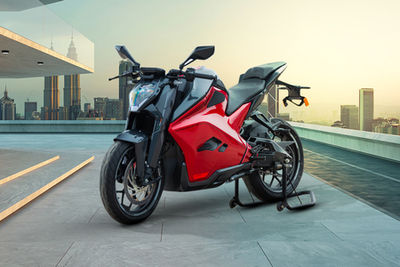
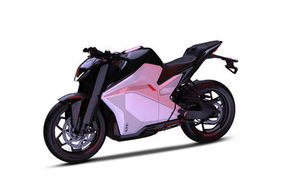
There are several types of electric bikes available on the market, ranging from traditional-looking bikes to more futuristic designs. Some models have larger batteries and more powerful motors, allowing for longer rides and more challenging terrain. Others have more lightweight frames and are designed for city commutes or leisurely rides.
When
choosing an electric bike, it's important to consider factors such as
battery life, motor power, and weight capacity. Additionally, it's
essential to ensure that the bike is comfortable to ride and fits your
specific needs and preferences.
One
potential drawback of electric bikes is that they can be more expensive
than traditional bikes. However, the initial cost can be offset by the
long-term savings on fuel and maintenance costs. Additionally, many
cities and municipalities offer incentives for those who choose to
purchase electric bikes, such as tax credits or rebates.
Another
consideration when using an electric bike is safety. It's important to
wear proper protective gear, such as a helmet, and to follow traffic
laws and regulations. Additionally, it's important to be aware of your
surroundings and to always stay alert while riding.
Overall,
electric bikes offer a wide range of benefits and are an excellent
alternative to traditional modes of transportation. With their
affordability, convenience, and environmental friendliness, they are a
sustainable option that can help to improve our overall quality of life.
Whether you are commuting to work or school, exploring the outdoors, or
simply looking for a more sustainable mode of transportation, an
electric bike may be the perfect choice for you.

0 Comments